Building Long-Term Wealth Through Patient and Disciplined Equity Investing
4 min read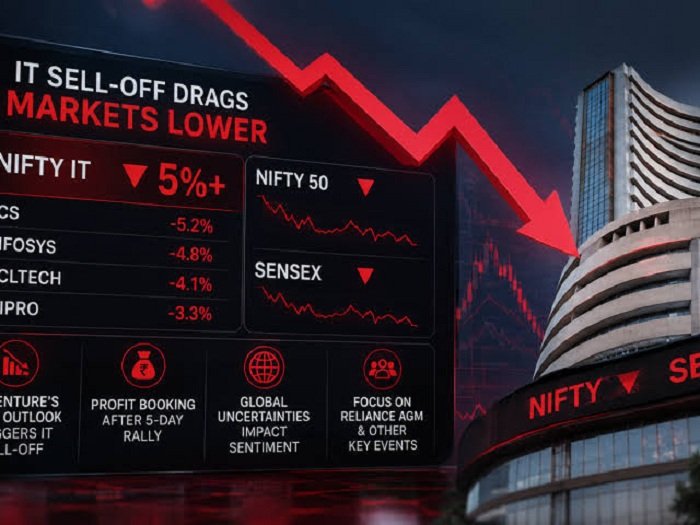
Wealth rarely appears overnight. It is built slowly, through consistent choices repeated over many years. For Indian families dreaming of a comfortable retirement, a child’s higher education or financial independence, owning a slice of growing businesses has proven to be one of the more effective routes. With a Demat Account in place, anyone can begin collecting quality holdings at a pace that suits them. The Share Market has seen sharp falls and exciting rallies, yet over long periods it has rewarded those who stayed invested and kept their emotions in check. This article explores how to think about long-term investing with maturity and calm.
The Power of Compounding
Compounding means earning returns on your earlier returns. In the earlier years it grows modestly and can be disappointing. But then the curve really takes off, and most of your gains come in the later years. Hence, it is never too early to start, and an investor who begins at twenty-five with a modest monthly instalment can well finish up ahead of an older investor who started with a larger amount.
Read More: Smart Financial Planning Tools Every Salaried Employee Should Understand
You need to stay invested to compound your returns. So, if you have a lump sum lying around and you withdraw some of it, you interrupt the compounding process. Always treat money earmarked for long-term goals as sacred and have another corpus for short-term expenses so that you aren’t tempted to liquidate it in times of distress.
Systematic Investing Over Lump Sums
You never know when your time to buy is going to come. So, a lot of smart investors instead go for systematic investing–putting in a pre-decided amount at regular intervals–and let the ups and downs of the market average out their cost price.
Systematic investing also helps develop a habit of saving. Once you have set up the systematic transfer, it takes a mere fraction of your attention to decide whether the markets are a good time to invest. You can increase your instalment every time you get a salary hike, a bonus or a festival gift. Even a small additional amount invested regularly can yield amazing results in fifteen or twenty years.
Choosing Quality and Staying Selective
Not all hot stocks are worth chasing. Look out for companies that have a track record of consistently rewarding shareholders. See if they have a healthy debt position and moats (competitive advantages) and whether their management is competent and trustworthy. Understand their cash flow and profit trends and whether their products have a future. Avoid companies that are losing out to competition, have dubious accounting practices or are riding a fad.
If you are not comfortable picking individual stocks, go for index funds. They offer instant diversification and are a good way to average out market fluctuations. Active funds could be an option too, but compare their performance and expense ratio before you invest. It’s fine to park some of your money in directly-held stocks and some in actively-managed funds–as long as you know what you are doing.
Managing Volatility With a Calm Mind
Markets fluctuate–sometimes violently–and it’s easy to get rattled. But remember that most falls are only temporary. Unless there is fundamental damage to the company, a dip in share price can be a good opportunity to buy more.
It’s important to not get perturbed by short-term gyrations. Decide how much you want to allocate to equities and hold on to that for the long-term. Only rebalance your portfolio on an annual basis (or even less frequently) based on how much change has taken place. If a stock or sector has outperformed significantly, book some profits and move the money to safer (but lower-return) instruments such as debt funds or fixed deposits.
Aligning Investments With Life Goals
Different financial goals require different allocations. If you have about fifteen years before you need the money, you can afford to park a big chunk in equities. But as the date draws near, you should start shifting money to cash and cash equivalents. That way you won’t have to sell your stocks at a loss if the markets take a nosedive just when you are about to retire.
Read More: How Debit-Card-Based EMI Differs From Credit-Card EMI for Smartphone Purchases
It’s important to create a roadmap for your retirement corpus as well. Let it grow in the same way as your other portfolios, but start moving some money into low-risk, income-generating instruments as you near retirement.
Do Not Forget the Fundamentals
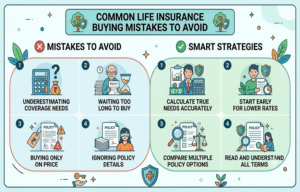
Before you start buying stocks, remember to get your basics in order. Get enough health and life insurance, an emergency corpus and pay off any high-interest loans. Only then should you think about investing. Understand the tax implications of your investments–especially long-term capital gains tax. Where possible, utilise tax benefits and exemptions.
The Value of Patience
Above all, it’s important to have patience. Markets rarely give bumper returns in short time frames. They reward those who keep their money in good assets for the long term. And remember–your goals and your risk-taking ability change with time. Do not compare yourself with friends who are further ahead in life. If you have invested smartly, you will soon catch up.
Keep learning by reading annual reports and books on investing, but don’t change your strategy every time you read something new. Follow up on your favourite stocks and funds regularly and remember–it’s the power of discipline and patience that will serve you best in your investing career. You will be glad you did in ten years.