How Debit-Card-Based EMI Differs From Credit-Card EMI for Smartphone Purchases
5 min read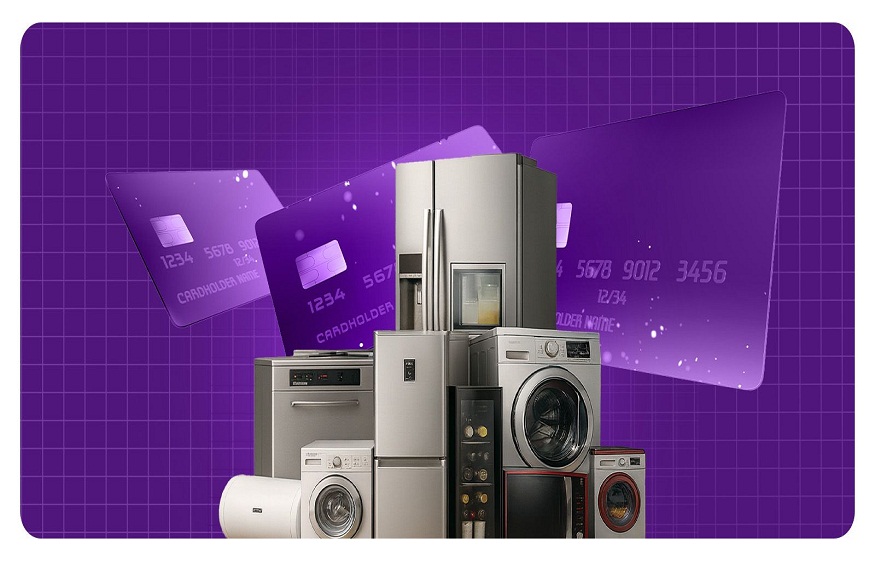
Buying a new phone used to mean saving up for months or even years. Today, the landscape of shopping has changed completely. Most people now prefer to spread the cost of their gadgets over several months rather than paying the full price upfront. This shift has made premium technology accessible to almost everyone with a bank account.
When you decide to buy a smartphone on EMI, you generally face two main choices. You can use a credit card or a debit card to facilitate the monthly payments. While both methods allow you to take the device home immediately, they operate on very different financial principles. Understanding these differences is essential for managing your personal finances effectively.
Choosing the right payment method depends on your current financial standing and your long-term goals. One option might offer more convenience, while the other could be better for your credit history. This guide will break down exactly how these two methods differ so you can make an informed decision for your next upgrade.
The Evolution of Consumer Financing
The way we buy electronics on EMI has evolved rapidly over the last decade. In the past, installment plans were often restricted to those with high-limit credit cards or those willing to fill out mountains of paperwork at a physical store. This created a barrier for young professionals or students who had a steady income but no credit history.
Read More : Smarter Investments: How SIP Calculator and Lumpsum Calculator Can Help You Grow
Financial institutions recognized this gap and introduced more inclusive options. Now, the process is almost entirely digital and can be completed in a matter of seconds at the checkout page. Whether you are shopping online or in a physical store, the goal is to make the transaction as seamless as possible. This ease of access has turned the dream of owning a flagship device into a monthly reality for millions of shoppers.
The Traditional Route: Credit Card EMI
Credit card installments are the most common way to finance a new device. When you use this method, the bank uses your existing credit limit to cover the purchase. If you buy a phone, the total price is blocked against your available limit. This means you cannot use that portion of your credit for other purchases until you pay off the installments.
As you pay your monthly bills, the blocked amount is gradually released. This method is popular because it often comes with special offers like no-cost installments. Since the bank already knows your credit history, the approval is instant. You do not need to provide any extra documents or wait for a verification process. It is a straightforward way to manage a large expense if you already own a card.
The Modern Alternative: Debit Card EMI
Debit card installments are a relatively new innovation designed for people who do not own a credit card. Unlike the traditional method, this does not rely on a pre-existing credit line. Instead, it is a pre-approved loan offered by your bank based on your account activity. The bank looks at your average balance and your history of transactions to decide if you are eligible.
When you buy a smartphone on EMI using a debit card, the money is not blocked from your account balance. Instead, the bank pays the merchant on your behalf and then deducts the monthly installment from your savings account. This is a great option for those who want to avoid the temptation of a credit card but still want the flexibility of monthly payments. It opens up the world of premium electronics to a much larger group of consumers.
Eligibility and Approval Processes
The eligibility criteria for these two methods are quite different. For a credit card, your eligibility was determined when you first applied for the card. It depends heavily on your credit score and your income levels. If you already have the card in your wallet, you are usually good to go. There are no additional checks at the time of purchase.
On the other hand, debit card installments are often invite-only. Banks use complex algorithms to track your spending habits and savings. If you maintain a healthy balance and have no bounced checks, you might see an offer in your banking app. You can check your eligibility by sending a simple text message or looking at the checkout screen of an online store. This makes it a very personalized financial product.
Financial Implications and Credit Limits
One major difference lies in how these payments affect your liquidity. With a credit card, your purchasing power is reduced immediately. If you have a limit of one lakh and you buy a phone for sixty thousand, you only have forty thousand left for other needs. This can be a problem if you have an emergency and need your full credit limit.
Debit card installments do not block your funds in the same way. Your account balance remains available for your daily needs. However, you must ensure that the required installment amount is in your account on the due date. If the payment fails due to insufficient funds, you might face heavy penalties and a drop in your credit score. It requires a different kind of financial discipline to ensure the money is always there.
Cost Comparison and Interest Structures
When you look for electronics on EMI, the cost is always a primary concern. Credit cards frequently offer no-cost plans where the interest is subsidized by the brand or the retailer. You only pay the actual price of the product divided by the number of months. However, there is usually a small processing fee that you need to consider.
Debit card plans might sometimes carry a slightly higher interest rate compared to credit cards. Since the bank is taking a higher risk by lending to someone without a credit card, the costs can reflect that. Some banks have started offering no-cost options on debit cards too, but they are less common. Always read the fine print to see the total amount you will end up paying by the end of the tenure.
Making the Best Choice for Your Budget
Deciding between these two options depends on your current tools and your financial habits. If you have a credit card and want to keep your cash in your bank account, the credit card route is often the most rewarding. It helps you earn reward points and often comes with the best discounts. It is a proven method that works well for those who are disciplined with their credit usage.
Read More : How Payment Fragmentation Increases Financial Oversight Risk
However, if you prefer to live a debt-free life or do not qualify for a credit card, the debit card option is a fantastic tool. It allows you to enjoy the latest technology without the need for a complex credit application. As long as you manage your monthly balance carefully, it is a safe and convenient way to shop. Both methods have made it easier than ever to own the latest gadgets without feeling the pinch of a massive one-time payment.